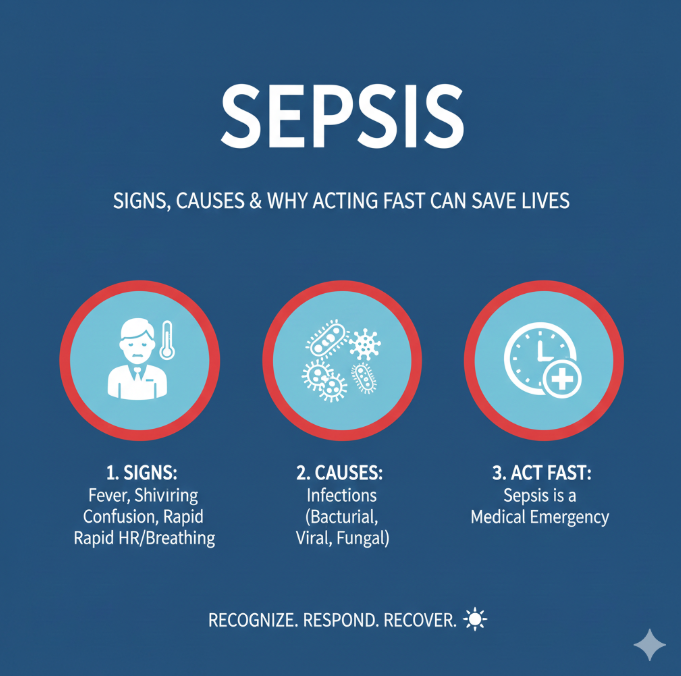
Sepsis is a life-threatening medical emergency that occurs when the body’s response to infection begins to damage its own tissues and organs. Because it can progress rapidly, early recognition and timely treatment are critical. Strengthening healthcare quality improvement insights through awareness and prevention can help reduce complications, improve survival rates, and support better patient outcomes.
In this article, we’ll explore what sepsis is, its most common warning signs, underlying causes, and why immediate action is essential.
What Is Sepsis?
Sepsis develops when an infection triggers an extreme immune response throughout the body. Instead of fighting the infection locally, the immune system can cause widespread inflammation, blood clotting, and organ dysfunction.
If not treated quickly, sepsis can lead to septic shock, multi-organ failure, and death. This is why healthcare providers consider it one of the most urgent medical conditions.
Common Signs and Symptoms of Sepsis
Recognizing early symptoms is vital because sepsis often worsens within hours. Common warning signs include:
• High fever or unusually low body temperature
• Rapid heart rate and fast breathing
• Confusion, dizziness, or altered mental state
• Extreme pain or discomfort
• Cold, clammy, or pale skin
In severe cases, patients may experience difficulty breathing, low blood pressure, and reduced urine output—signals that organs may be struggling.
What Causes Sepsis?
Sepsis begins with an infection. While it can result from almost any infection, the most common sources include:
• Lung infections such as pneumonia
• Urinary tract infections
• Abdominal infections
• Skin wounds or surgical infections
Certain individuals are at higher risk, including older adults, infants, people with weakened immune systems, and those with chronic illnesses.
Why Acting Fast Matters
Sepsis is a race against time. Each hour of delayed treatment increases the risk of death. Early intervention often involves:
• Immediate antibiotics
• Intravenous fluids
• Oxygen support
• Close monitoring in a hospital setting
Prompt recognition by both patients and healthcare professionals is essential to prevent progression to septic shock.
See also: How Sleep Quality Impacts Hormonal Balance and Long-Term Health
Prevention and Risk Reduction
Although sepsis cannot always be prevented, the risk can be reduced through:
• Early treatment of infections
• Proper wound care and hygiene
• Staying up to date on vaccinations
• Managing chronic conditions effectively
Education and awareness are key components in reducing sepsis-related mortality worldwide.
Conclusion
Sepsis is a serious and rapidly progressing condition that requires immediate medical attention. Knowing the warning signs, understanding the causes, and acting quickly can save lives.
Healthcare organizations committed to delivering effective clinical consulting services recognize the importance of emergency preparedness, early detection strategies, and patient safety initiatives. By improving awareness and response systems, we can reduce the devastating impact of sepsis and improve outcomes for patients everywhere.
