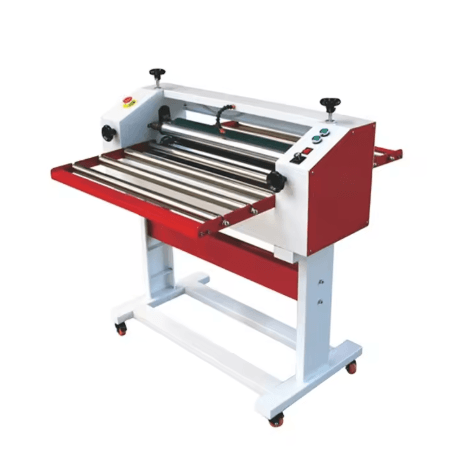
In today’s modern manufacturing, printing, and packaging industries, product quality and durability are more important than ever. Businesses need advanced machinery that not only enhances appearance but also protects materials from damage, moisture, and wear. One of the most important innovations in this field is the coating and laminating machine.
This machine is widely used across printing, packaging, labeling, and industrial production sectors. It combines coating and lamination processes to improve both the visual appeal and physical strength of materials, making it a key tool in modern production systems.
What is a Coating and Laminating Machine?
A coating and laminating machine is an industrial device designed to apply a protective or functional coating layer and then laminate it with another material for added strength and durability.
The coating process involves applying a liquid or film-based layer to improve surface properties such as gloss, resistance, or adhesion. The lamination process then bonds multiple layers together to enhance protection and structure.
Together, these processes create high-quality finished materials used in packaging, printing, and industrial applications.
Importance of Coating and Laminating Machine in Modern Industry
Modern industries require packaging and printed materials that are not only attractive but also durable and long-lasting. The coating and laminating machine plays a vital role in achieving these goals.
Key importance factors include:
- Improved surface protection and durability
- Enhanced visual appearance of products
- Resistance against moisture, dust, and scratches
- Increased product lifespan
- Better packaging strength
- Cost-effective production solution
These benefits make it an essential machine in modern manufacturing industries.
Working Process of Coating and Laminating Machine
The working process of a coating and laminating machine involves multiple controlled stages to ensure high-quality output.
Material Feeding
Raw materials such as paper, film, or foil are fed into the machine through a controlled feeding system.
Coating Application
A protective coating is applied evenly on the surface using rollers or spray systems.
Drying or Curing
The coated material passes through a drying section to stabilize the coating layer.
Lamination Process
A second layer of material is bonded using pressure and heat or adhesive systems.
Final Output
The finished coated and laminated material is collected in roll or sheet form for further use.
This integrated process ensures smooth, durable, and professional results.
Types of Coating and Laminating Machines
Different types of machines are available depending on industrial requirements.
Thermal Coating and Laminating Machines
Use heat-based technology for bonding and coating applications.
Cold Coating and Laminating Machines
Use pressure-sensitive adhesives without heat, suitable for sensitive materials.
Solvent-Based Systems
Use chemical adhesives for strong industrial bonding.
Solventless Machines
Eco-friendly systems that eliminate harmful solvents.
Fully Automatic Machines
Designed for high-speed industrial production with minimal manual input.
Each type is designed for specific production needs.
Key Features of Coating and Laminating Machine
Modern coating and laminating machines come with advanced features for improved performance.
Dual Function Technology
Combines coating and lamination in one system.
High-Speed Operation
Suitable for large-scale continuous production.
Precision Control System
Allows accurate adjustment of temperature, pressure, and coating thickness.
Automatic Feeding System
Reduces manual effort and increases efficiency.
Energy Efficient Design
Optimized to reduce power consumption.
Smooth Roller Mechanism
Ensures bubble-free and uniform finishing.
Applications of Coating and Laminating Machine
The coating and laminating machine is used in various industries due to its versatility.
Packaging Industry
Used for food packaging, beverage wraps, and consumer goods packaging.
Printing Industry
Used for brochures, catalogs, magazines, and promotional materials.
Label Industry
Used for product labels and barcode stickers.
Advertising Industry
Used for banners, posters, and display materials.
Industrial Applications
Used for protective coatings on industrial materials and products.
This wide application range makes it highly valuable in modern production systems.
Advantages of Coating and Laminating Machine
Businesses benefit greatly from using coating and laminating machines.
Enhanced Product Protection
Protects materials from environmental damage.
Improved Aesthetic Quality
Provides glossy, matte, or textured finishes.
High Durability
Increases the lifespan of printed and packaged materials.
Cost Efficiency
Reduces rework and material wastage.
Versatility
Works with different materials and coatings.
High Production Efficiency
Supports fast and continuous production cycles.
See also: Technology and the Circular Economy
Technological Advancements in Coating and Laminating Machines
Modern machines include advanced technologies for better performance and control.
Key innovations include:
- PLC-based automation systems
- Digital touchscreen interfaces
- Smart coating control technology
- IoT-based monitoring systems
- Automatic thickness adjustment
- Real-time quality inspection
These technologies ensure precision and consistency.
Role in Modern Industry
The coating and laminating machine plays a critical role in modern manufacturing industries. It helps businesses improve product quality while maintaining efficiency and cost control.
It supports industries in achieving:
- Better product presentation
- Higher durability standards
- Faster production cycles
- Improved brand value
This makes it a core component of modern industrial systems.
Environmental Considerations
Modern machines are designed with eco-friendly features.
Environmental benefits include:
- Reduced material waste
- Energy-efficient operation
- Support for eco-friendly coatings
- Lower emissions in production
- Sustainable manufacturing processes
These features help industries meet environmental regulations.
Challenges of Coating and Laminating Machine
Despite its advantages, there are some challenges:
- High initial investment cost
- Requirement for skilled operators
- Maintenance and calibration needs
- Complexity in advanced systems
However, long-term efficiency and quality benefits outweigh these limitations.
Future of Coating and Laminating Machine
The future of coating and laminating technology is focused on automation and sustainability.
Future developments may include:
- AI-based production optimization
- Smart factory integration
- Fully automated coating systems
- Advanced eco-friendly materials
- Real-time cloud monitoring
These innovations will further improve industrial productivity.
Conclusion
The coating and laminating machine is a vital innovation in modern printing, packaging, and industrial manufacturing. It combines advanced coating and lamination technologies to deliver high-quality, durable, and visually appealing products.
With continuous technological advancements and increasing demand for efficient production systems, this machine will remain an essential part of the global industrial landscape.
