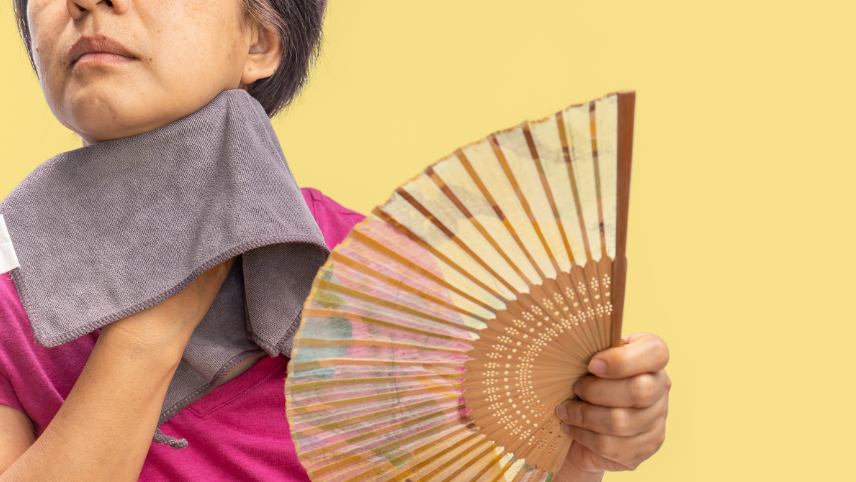
There’s a particular kind of frustration that comes with a hot flash hitting in the middle of an important meeting or waking you up drenched in sweat at 3 a.m. for the third night in a row. If you’ve been dealing with this and reaching for nothing but a handheld fan and sheer willpower, it’s worth knowing that effective hot flashes treatment options exist beyond just toughing it out.
What’s Actually Causing the Heat
Hot flashes happen when declining estrogen levels confuse your hypothalamus — the part of your brain responsible for regulating body temperature. Your internal thermostat essentially becomes oversensitive, misreading small changes in body temperature as overheating. In response, your body kicks into cooling mode: blood vessels near the skin’s surface dilate, your heart rate increases, and you sweat, all in an attempt to release heat that wasn’t really there in the first place.
This is why hot flashes can strike regardless of the actual room temperature, and why they’re so often accompanied by a racing heartbeat and that telltale flush across the face and chest.
See also: Technology and the Circular Economy
How Long They Typically Last
The frustrating reality is that hot flashes don’t follow a predictable timeline. For some women, they last a couple of years around menopause. For others, they persist for a decade or more. On average, episodes themselves last anywhere from thirty seconds to five minutes, but the cumulative toll of having several a day — or being jolted awake by them at night — adds up fast in terms of disrupted sleep and daily quality of life.
Hormonal Approaches That Address the Root Cause
Since hot flashes stem from estrogen decline, hormone therapy remains one of the most effective treatments available. Restoring estrogen to more stable levels helps recalibrate the hypothalamus, often reducing both the frequency and intensity of flashes significantly. Depending on individual health history and preference, this can be delivered through pills, patches, gels, or pellets.
For women who can’t or prefer not to use estrogen, low-dose progesterone alone has also shown benefits for some, particularly when night sweats are a primary concern.
Non-Hormonal Options Worth Considering
Not every woman is a candidate for hormone therapy, and that’s where non-hormonal treatments come in. Certain antidepressant medications, prescribed at lower doses than used for depression, have been found to meaningfully reduce hot flash frequency by affecting the same brain chemicals involved in temperature regulation. A blood pressure medication and an anti-seizure medication have also shown effectiveness for some women, offering additional options when hormones aren’t the right fit.
Lifestyle Triggers Worth Identifying
While treatment addresses the underlying cause, identifying personal triggers can reduce how often flashes strike in the meantime. Common culprits include spicy food, caffeine, alcohol, hot beverages, stress, and overly warm environments. Keeping a simple log for a couple of weeks — noting what you ate, drank, or were doing before each flash — often reveals patterns specific to your body that you can then start avoiding or managing.
Dressing in layers, keeping a portable fan nearby, and sleeping with breathable, moisture-wicking sheets are small adjustments that won’t eliminate hot flashes but can take the edge off when one strikes.
The Connection Between Hot Flashes and Sleep
Night sweats — essentially hot flashes that occur during sleep — are one of the most disruptive symptoms because they fragment sleep just when your body needs deep, restorative rest the most. Chronic sleep disruption from night sweats can snowball into worsened mood, impaired concentration, and even higher stress hormone levels, which can paradoxically make hot flashes worse, creating a frustrating cycle.
Treating the hot flashes directly, rather than just trying to manage the sleep disruption symptomatically, tends to break this cycle more effectively than sleep aids alone.
When to See a Specialist
If hot flashes are happening more than a few times a day, disrupting your sleep regularly, or affecting your ability to function at work or in daily life, it’s a clear sign to seek a real treatment plan rather than continuing to manage symptoms piecemeal. A hormone specialist can run appropriate testing to understand your specific hormonal picture and recommend a treatment approach tailored to your health history and symptom severity.
Taking Back Control
Hot flashes can feel like they’re running your life, dictating what you wear, where you sit in a room, and how well you sleep. But they’re a treatable symptom, not something you’re required to simply endure for years. With the right combination of treatment and trigger management, most women find significant relief — proof that you don’t have to just wait this one out.
