Nobody really plans for a toothbrush battle at 7:15 in the morning.
Yet somehow it happens.
One child refuses toothpaste because it tastes “too minty.” Another insists thirty seconds of brushing counts as two full minutes. Family life gets busy fast, and dental routines can slide into survival mode.
Still, the small habits matter more than most people think.
Not the dramatic overhauls. Not perfect routines. Just the ordinary things that quietly shape healthy smiles for kids over time.
The Two-Minute Habit That Sounds Easier Than It Is
Brushing twice a day seems simple enough.
Until homework runs late. Dinner happens late. Bedtime becomes a negotiation.
The truth is, healthy dental habits often depend less on motivation and more on routine. Children tend to do better when brushing becomes automatic like putting on pajamas or packing a backpack.
Timers help. Songs help. Sometimes brushing alongside a parent helps more than any reward chart ever could.
Consistency usually beats perfection.
Snacks Count More Than Many Families Realize
Most conversations about dental health drift toward candy.
Candy matters, sure.
But crackers, sticky granola bars, dried fruit, juice boxes those can play a role too. Teeth experience food differently than adults often assume.
Frequent snacking means teeth spend more time exposed to sugars and acids throughout the day.
That’s why cavity prevention isn’t only about banning treats. It’s about spacing snacks, offering water, and giving teeth small breaks between eating.
Tiny changes can make a surprisingly large difference.
Kids Notice What Adults Do
Children rarely learn habits through lectures alone.
They notice behavior.
If parents brush quickly or skip flossing regularly, kids absorb that rhythm too. On the flip side, simple family routines can normalize oral care without turning it into a daily struggle.
Family dental habits don’t need to be elaborate.
Maybe everyone brushes before the bedtime story. Maybe weekend mornings include brushing together before heading to the park.
Those shared moments create familiarity. And familiarity often builds cooperation.
Not always. Children still surprise everybody.
But routines help.
Dental Visits Work Better When They Start Early
Dental care becomes easier when it doesn’t begin with pain.
That’s one reason pediatric providers encourage early visits. A child who visits the dentist before a cavity or emergency develops often feels more relaxed later on.
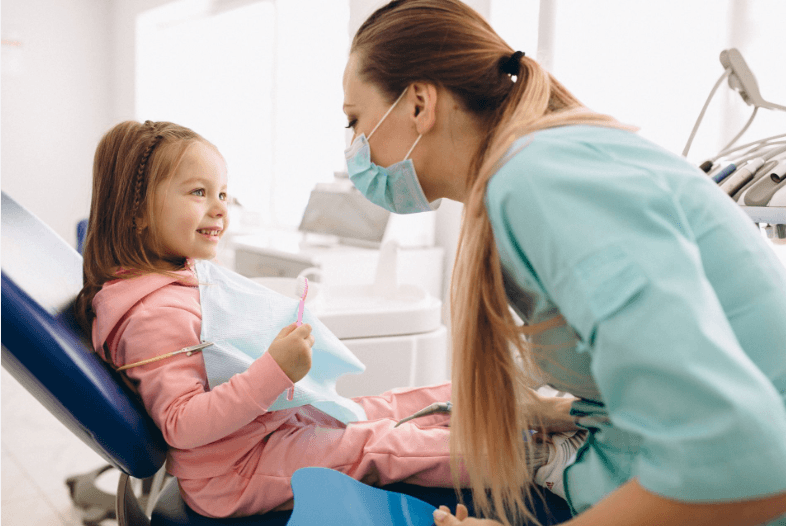
A Brooklyn Heights pediatric dentist may spend time showing children mirrors, counting teeth, or explaining tools in simple language before doing much else.
That slower approach matters.
Dental offices feel less intimidating when children have space to become familiar with the environment.
Parents searching for a dentist for kids in Brooklyn are often looking for exactly that somebody who understands how early experiences shape long-term comfort.
The “Little Problems” Aren’t Always Little
A skipped brushing session won’t ruin anything.
Neither will birthday cake or holiday cookies.
But repeated patterns add up.
Plaque buildup starts quietly. Early decay can develop without obvious pain. Small habits around bedtime drinks, frequent grazing, or rushed brushing routines can slowly shift oral health over months or years.
That doesn’t mean parenting requires constant vigilance.
It means paying attention to trends rather than isolated moments.
Healthy dental habits tend to grow through gradual adjustments, not guilt.
See also: How Academic Rigor in STEM Impacts Student Holistic Health
Making Dental Care Feel Normal
Children respond differently when oral care feels ordinary instead of dramatic.
When brushing is framed as punishment, resistance usually grows. When it becomes part of daily life, pushback often softens over time.
Some families keep toothbrushes visible and easy to reach. Others let children choose toothbrush colors or flavored toothpaste approved for their age.
Small choices give children a sense of ownership.
And surprisingly often, ownership leads to participation.
Healthy Smiles Grow Quietly
Healthy smiles for kids rarely happen because of one big decision.
They grow through ordinary repetition.
The extra minute spent brushing back molars. Water after snacks. Routine checkups that don’t wait for pain.
Practices like Bitesize Pediatric Dentistry often emphasize this quieter side of dental health helping families build sustainable habits rather than chasing perfection. The goal isn’t flawless brushing every single night.
It’s progress that lasts.
Because most strong dental routines don’t arrive fully formed.
They develop gradually, somewhere between rushed school mornings, bedtime negotiations, and the small daily choices families make without thinking much about them at all.
