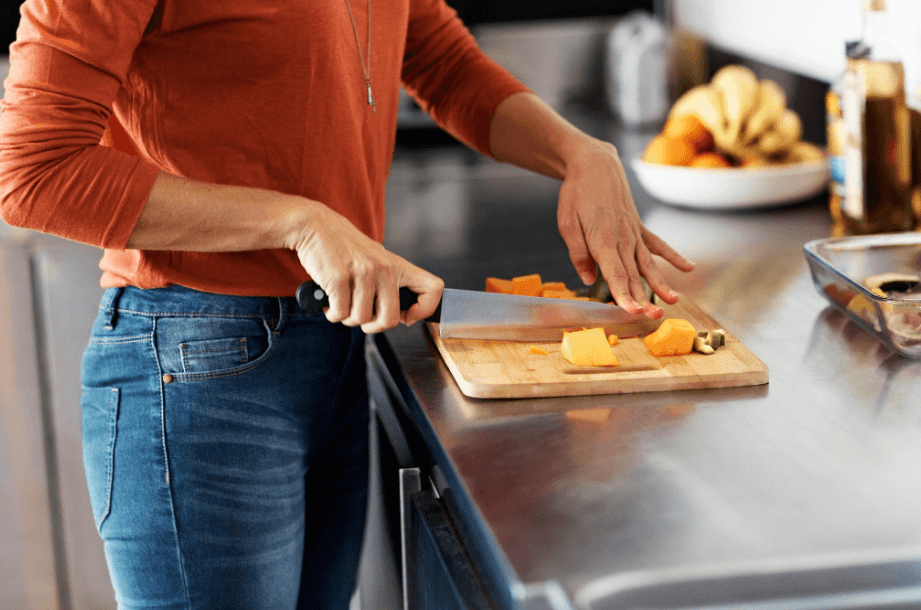
Home cooking has evolved far beyond preparing familiar recipes with the same ingredients week after week. Today’s home cooks have access to a wider variety of foods than ever before, allowing them to experiment with flavors, textures, and culinary traditions from around the world. This growing access encourages creativity while helping people develop a deeper appreciation for the ingredients they use.
Many individuals begin their cooking journey with basic ingredients and simple techniques. Over time, curiosity often inspires them to explore products that may have once seemed unfamiliar. This progression not only improves cooking skills but also introduces new perspectives on how ingredients contribute to flavor, presentation, and overall dining experiences.
One of the most rewarding aspects of cooking at home is the opportunity to learn continuously. Every ingredient has its own story, characteristics, and culinary applications. Understanding these details helps cooks make more informed decisions while encouraging confidence in the kitchen. The more knowledge people gain, the more comfortable they become experimenting with new ideas.
For adventurous home cooks, learning everything you need to know about uni can serve as an example of how exploring specialty ingredients expands culinary awareness. Becoming familiar with unique products encourages greater appreciation for flavor diversity and demonstrates how ingredients from different culinary traditions can inspire creativity in everyday meal preparation.
Interest in specialty ingredients continues growing because many people view cooking as more than a daily necessity. Preparing meals has become a hobby, a creative outlet, and a way to connect with different cultures. As a result, ingredient exploration plays an increasingly important role in modern home kitchens.
Why Ingredient Knowledge Matters
Understanding ingredients provides a strong foundation for successful cooking. While recipes offer guidance, ingredient knowledge helps cooks adapt to different situations and make informed adjustments when necessary. This flexibility often leads to better results and greater confidence.
Knowledge also improves decision-making during shopping. Consumers who understand flavor profiles, textures, and preparation methods can select ingredients more effectively. Rather than relying solely on familiarity, they become willing to explore new options that complement their cooking goals.
Ingredient awareness supports healthier cooking habits as well. People who understand what they are using often pay closer attention to meal composition, preparation methods, and overall balance. This awareness contributes to more thoughtful food choices and improved confidence in the kitchen.
As home cooks continue expanding their knowledge, they develop a stronger appreciation for the diversity of ingredients available. This curiosity frequently inspires ongoing learning and experimentation.
Expanding Culinary Creativity
Creativity often begins with curiosity. Home cooks who explore unfamiliar ingredients discover new possibilities for flavor combinations and meal preparation. These discoveries help prevent routines from becoming repetitive and encourage continuous growth.
Experimentation does not require professional training. Small changes, such as incorporating a new ingredient or trying a different preparation technique, can significantly influence the outcome of a meal. These experiences build confidence while introducing new perspectives on cooking.
Creative cooking also encourages adaptability. When cooks understand ingredients more deeply, they become better equipped to substitute products, adjust recipes, and solve challenges that arise during meal preparation. This flexibility helps make cooking more enjoyable and less intimidating.
Many successful cooks view experimentation as an essential part of learning. Every new ingredient represents an opportunity to gain experience and broaden culinary understanding.
See also: How Academic Rigor in STEM Impacts Student Holistic Health
Learning Through Exploration
Exploration is one of the most effective ways to build culinary knowledge. Reading about ingredients, watching cooking demonstrations, and trying new recipes all contribute to a deeper understanding of food. These activities transform cooking into an ongoing educational experience.
Markets, specialty food stores, and local producers often provide opportunities to discover ingredients that may not appear in everyday shopping routines. Exposure to these products encourages curiosity and supports continued learning.
Cooking with unfamiliar ingredients also strengthens observation skills. Home cooks learn to evaluate texture, appearance, aroma, and flavor more carefully. These observations improve decision-making and contribute to better results over time.
The process of exploration helps create a more engaging relationship with food. Instead of simply following instructions, cooks become active participants in their culinary development.
Building Confidence in the Kitchen
Confidence grows through experience. Every successful meal reinforces existing skills while creating opportunities to learn something new. As cooks become more comfortable with ingredients and techniques, they are more likely to embrace challenges and pursue creative ideas.
Understanding ingredient characteristics contributes significantly to this confidence. Familiarity reduces uncertainty and makes experimentation feel less risky. Home cooks who understand how ingredients behave are better prepared to achieve desired outcomes.
Learning everything you need to know about uni illustrates how ingredient education can transform uncertainty into curiosity. Rather than avoiding unfamiliar foods, informed cooks often become eager to explore their possibilities and discover how they can contribute to unique dining experiences.
Confidence also encourages independence. Instead of relying exclusively on recipes, experienced cooks develop the ability to make adjustments based on personal preferences and available ingredients.
The Future of Home Cooking
Home cooking continues evolving as access to information and ingredients expands. Consumers have more opportunities than ever to learn about food, discover new products, and develop culinary skills from their own kitchens. This accessibility supports creativity and encourages lifelong learning.
Technology plays an important role in this evolution. Online resources provide immediate access to cooking techniques, ingredient information, and culinary inspiration. These tools make it easier for home cooks to explore unfamiliar foods and expand their knowledge.
The growing interest in ingredient awareness reflects a broader appreciation for food culture. People increasingly recognize that understanding ingredients enhances enjoyment while supporting more informed decisions about meal preparation.
As home cooks continue seeking new experiences, ingredient exploration will remain an important part of culinary development. Curiosity, education, and creativity work together to transform everyday cooking into a rewarding and engaging activity. By embracing opportunities to learn about different ingredients and culinary traditions, individuals can create more diverse meals, strengthen their cooking skills, and enjoy richer experiences in the kitchen while continuing to grow as confident and capable home cooks.
