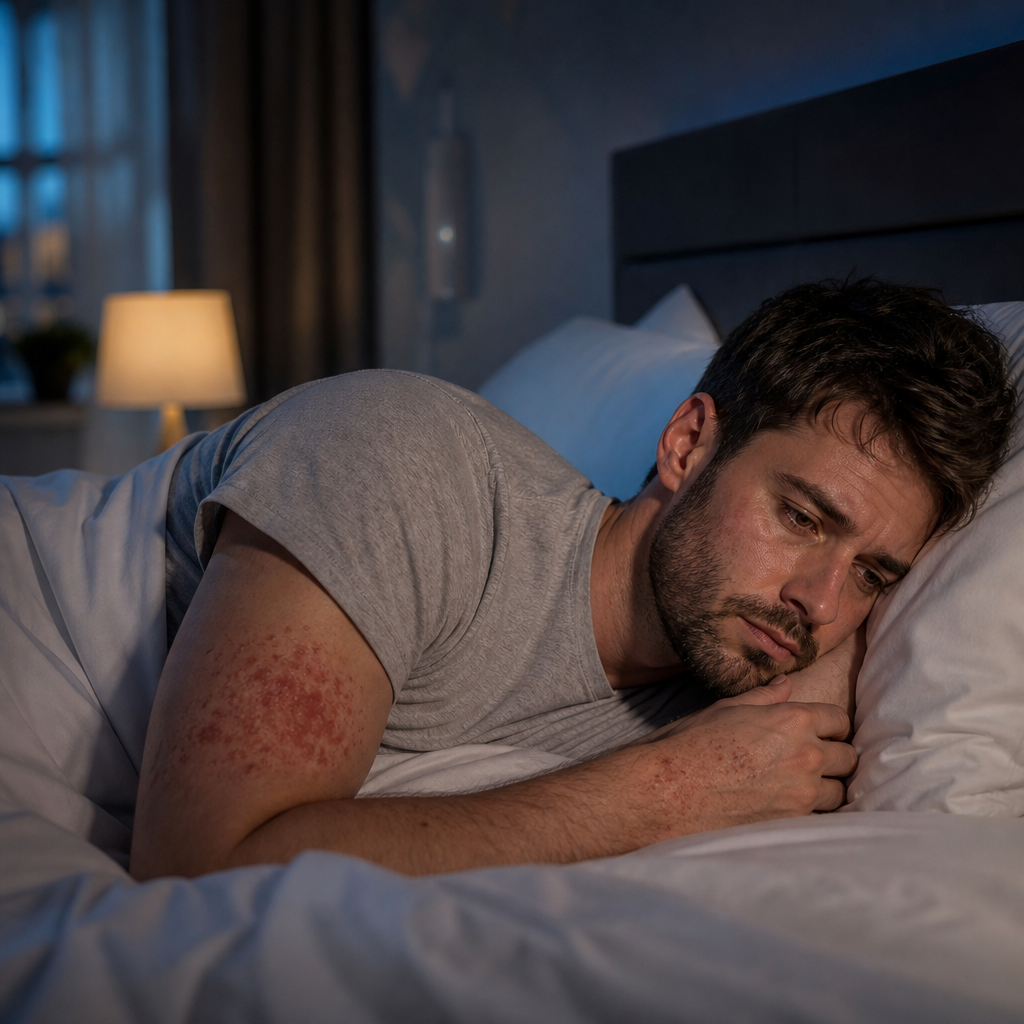
Sleep disruption caused by dermatological conditions is more common than most people realize. From chronic itch that prevents deep sleep to painful flare-ups that wake you multiple times per night, skin problems create a vicious cycle where poor sleep worsens inflammation, which in turn makes it harder to rest. Understanding this connection and taking targeted action can make a measurable difference in both skin health and sleep quality.
The Bidirectional Relationship Between Skin Health and Sleep
The link between skin conditions and sleep operates in both directions. During sleep, the body performs critical repair functions including collagen production, cell regeneration, and inflammatory response regulation. When sleep is fragmented or insufficient, these processes are interrupted. Research shows that people who sleep fewer than five hours per night experience a 30% reduction in skin barrier recovery compared to those getting seven to nine hours.
Conversely, active dermatological conditions create direct barriers to quality sleep. Pruritus, or intense itching, ranks among the most sleep-disruptive symptoms across medical conditions. The scratching response is partly involuntary, meaning patients often wake themselves without conscious awareness. Pain from conditions like severe eczema or psoriasis adds another layer of disruption, as does the physical discomfort of skin tightness or weeping lesions on bedding.
Common Skin Conditions That Disrupt Sleep
Atopic dermatitis affects sleep architecture more than almost any other chronic skin condition. Patients report taking longer to fall asleep, experiencing more frequent nighttime awakenings, and spending less time in restorative deep sleep stages. Children with moderate to severe atopic dermatitis lose an average of 45 minutes of sleep per night compared to their peers, while parents lose nearly an hour attending to nighttime scratching and distress.
Psoriasis creates sleep challenges through multiple mechanisms. Beyond itching, the condition causes joint pain in roughly one-third of patients, particularly noticeable during periods of inactivity. The visible nature of psoriasis also contributes to anxiety and rumination at bedtime, especially when plaques appear on highly visible areas. Many patients report lying awake worrying about social situations or treatment effectiveness.
Urticaria, commonly known as hives, often follows a circadian pattern with symptoms peaking during evening hours. The wheals themselves create intense itching sensations that make finding a comfortable sleeping position nearly impossible. Chronic urticaria patients describe their sleep disruption as comparable to that experienced by people with obstructive sleep apnea, though through entirely different mechanisms.
The Impact of Sleep Disorders on Dermatological Health
Sleep disorders can precipitate or worsen skin conditions even in people with no prior dermatological history. Obstructive sleep apnea creates oxidative stress and systemic inflammation that manifests in various skin changes. The repeated oxygen desaturation events trigger inflammatory cascades affecting skin barrier function and immune response. For patients managing both sleep apnea and skin conditions, addressing the breathing disorder often improves dermatological symptoms. Tools like portable CPAP devices have made it easier for patients to maintain consistent therapy, including options discussed in coverage of compact sleep apnea treatment solutions for travelers.
Chronic insomnia independently raises inflammatory markers including C-reactive protein and interleukin-6, both implicated in skin inflammatory conditions. People with persistent insomnia show delayed wound healing, increased susceptibility to skin infections, and accelerated visible signs of aging. The stress hormone cortisol remains elevated in chronic poor sleepers, which impairs the skin’s ability to retain moisture and maintain its protective barrier.
When to Seek Specialist Dermatological Care
Most people try over-the-counter treatments and home remedies before consulting a dermatologist, but certain indicators suggest specialist evaluation should happen sooner. If skin symptoms regularly prevent you from falling asleep within 30 minutes, wake you more than twice per night, or cause daytime fatigue that interferes with work or relationships, medical assessment is warranted. Similarly, if you’ve used topical corticosteroids for more than two weeks without improvement, or if symptoms spread despite treatment, professional diagnosis becomes essential.
For residents and visitors in the United Arab Emirates dealing with persistent dermatological conditions affecting their sleep, accessing specialized care through facilities like the best skin doctor in abu dhabi can provide comprehensive evaluation and treatment plans tailored to both the skin condition and its sleep impacts. Dermatologists at multi-specialty centers can coordinate with sleep medicine specialists when conditions overlap, ensuring all contributing factors receive attention.
Practical Strategies for Better Sleep with Skin Conditions
Temperature regulation plays an outsized role in managing nighttime skin symptoms. Most dermatologists recommend keeping bedroom temperature between 16 and 19 degrees Celsius, as warmth increases blood flow to the skin and intensifies itching. Using breathable cotton bedding and avoiding heavy blankets helps prevent the sweating that can trigger or worsen many skin conditions. Some patients benefit from keeping a cool, damp cloth beside the bed to apply during itch episodes rather than scratching.
Timing of moisturizer application matters more than many people realize. Applying emollient cream within three minutes after an evening shower or bath traps moisture in the skin most effectively. For conditions involving significant water loss through the skin, some dermatologists recommend a second application immediately before bed, focusing on areas prone to cracking or irritation during the night. Petroleum-based products create the strongest occlusive barrier, though they may feel less cosmetically acceptable than lighter lotions.
Managing the itch-scratch cycle requires conscious behavioral strategies. Keeping fingernails trimmed short and smooth reduces the damage from unconscious nighttime scratching. Cotton gloves can prevent direct nail-to-skin contact for severe cases. Some patients find success with gentle pressure or patting motions when the urge to scratch becomes overwhelming, as these provide sensory input without damaging the skin barrier.
The Role of Medical Management in Improving Sleep
Prescription treatments for skin conditions increasingly account for their impact on sleep quality. Oral antihistamines remain a cornerstone of itch management, with sedating varieties like hydroxyzine often prescribed for evening use to address both symptoms and sleep disruption simultaneously. However, these medications come with tradeoffs including next-day grogginess and tolerance development with extended use, making them better suited for acute flares than long-term management.
Newer targeted therapies for inflammatory skin conditions show promise in addressing sleep disruption at its source. Biologic medications that block specific inflammatory pathways can dramatically reduce nighttime symptoms within weeks of initiation. Topical calcineurin inhibitors offer non-steroidal anti-inflammatory options for sensitive areas like the face and neck where steroid side effects pose greater concerns. Phototherapy, delivered in controlled medical settings, helps some patients achieve remission that translates to months of improved sleep.
For patients with overlapping sleep disorders and skin conditions, coordination between specialists becomes crucial. Hospital-based physicians who coordinate care across specialties often identify these connections during inpatient stays, but outpatient multidisciplinary clinics provide similar benefits. When dermatologists and sleep medicine specialists review cases together, they can identify whether treating the primary skin condition will resolve sleep issues, or whether both require independent management.
Monitoring Progress and Adjusting Treatment
Tracking both skin symptoms and sleep quality helps patients and providers assess whether treatments are working. Simple sleep diaries recording bedtime, wake time, number of nighttime awakenings, and subjective sleep quality provide valuable data without requiring expensive monitoring equipment. Photographing affected skin areas weekly under consistent lighting conditions documents visible changes that may not be apparent from day to day.
Improvement timelines vary considerably depending on the underlying condition. Acute contact dermatitis may resolve within days once the trigger is removed, while chronic conditions like atopic dermatitis or psoriasis typically require weeks to months of consistent treatment before sleep quality improves substantially. Setting realistic expectations prevents premature abandonment of effective treatments, while maintaining open communication with healthcare providers ensures adjustments happen when genuine treatment failure occurs rather than normal adjustment periods.
The relationship between skin health and sleep quality demands attention from both patients and healthcare providers. By recognizing how these systems influence each other, addressing both components of the problem, and maintaining consistent treatment approaches, most people can achieve meaningful improvements in both their dermatological symptoms and their nightly rest.
