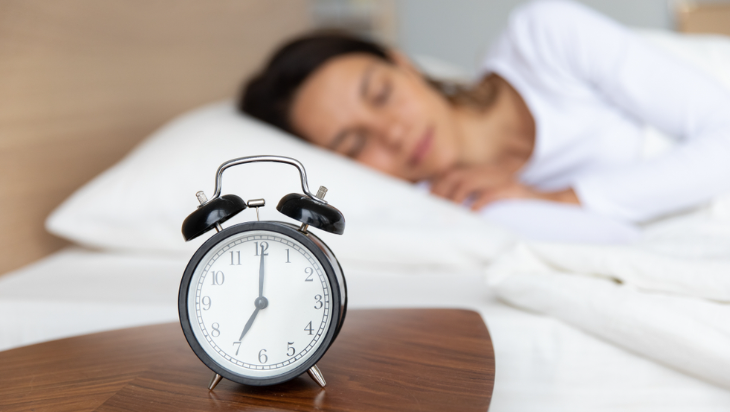
Sleep is one of those deceptively simple things we often underestimate. We talk about diet, exercise, and stress management endlessly, but sleep quietly sits at the foundation of them all. When sleep is poor, nothing else quite works the way it should. Energy dips, cravings rise, moods swing, and motivation fades. But beneath all those surface effects, something even more important is happening: your hormones are reacting, adapting, and sometimes struggling to keep up.
In our always-on culture, where late-night scrolling, binge-watching, or even using a meme creator online can push bedtime further and further away, sleep is often treated as flexible or expendable. Yet biologically speaking, it’s anything but optional. The quality of your sleep directly influences how your hormones function — and those hormones shape nearly every system in your body.
The Hormonal Symphony That Runs Your Body
Hormones are chemical messengers. They regulate appetite, metabolism, growth, reproduction, mood, and immune function. When sleep is consistent and restorative, these hormones stay in harmony. When it’s disrupted, that harmony breaks down.
Take cortisol, for example — the hormone most associated with stress. Normally, cortisol peaks in the morning to help you wake up and gradually declines throughout the day. Poor sleep can keep cortisol elevated at night, making it harder to relax, fall asleep, or stay asleep, creating a vicious cycle.
Then there’s melatonin, your body’s sleep hormone. It signals when it’s time to wind down. Exposure to screens, irregular bedtimes, or late-night eating can suppress melatonin production, confusing your internal clock and impairing deep sleep stages where hormonal repair happens.
Why Poor Sleep Disrupts Weight and Appetite
One of the most noticeable consequences of bad sleep is how it affects hunger.
Sleep deprivation throws off two key appetite hormones:
- Ghrelin, which increases hunger
- Leptin, which signals fullness
When you don’t sleep enough, ghrelin rises and leptin drops — meaning you feel hungrier and less satisfied after eating. That’s why after a short night, you’re more likely to crave sugar, refined carbs, and fast food rather than balanced meals.
Over time, this hormonal imbalance contributes to weight gain, insulin resistance, and a higher risk of type 2 diabetes — even if your diet isn’t terrible.
Sleep, Insulin, and Blood Sugar Control
Insulin is the hormone responsible for moving glucose from your bloodstream into your cells for energy. When sleep is consistently poor, your body becomes less sensitive to insulin, meaning your pancreas has to work harder to regulate blood sugar.
This isn’t just a concern for people with diabetes. Chronic sleep deprivation increases the likelihood of developing metabolic syndrome — a cluster of conditions including high blood sugar, high blood pressure, and abdominal fat.
In real life, this often looks like:
- Afternoon crashes
- Brain fog after meals
- Strong sugar cravings
- Energy that fluctuates wildly
All signs that your hormonal balance is under strain.
The Sleep–Stress Connection
Stress and sleep are tightly intertwined through cortisol and adrenaline.
When you’re stressed, your body stays in a “fight or flight” state. If this continues into the night, it prevents the nervous system from shifting into “rest and repair” mode — which is essential for hormonal recalibration.
Poor sleep then makes your stress response more reactive the next day. You become more sensitive to small annoyances, less emotionally resilient, and mentally drained. Over time, this elevates inflammation in the body and weakens immune defenses.
Sleep and Reproductive Hormones
Sleep also plays a vital role in reproductive health for both men and women.
In men, most testosterone is produced during sleep, especially in deep REM stages. Chronic sleep loss can lower testosterone levels, leading to reduced muscle mass, lower libido, fatigue, and even mood changes.
In women, disrupted sleep is linked to irregular menstrual cycles, fertility challenges, and worsened PMS symptoms. Hormonal shifts during perimenopause and menopause often make sleep more fragile — which in turn worsens hot flashes, mood swings, and weight gain.
It’s a two-way street: hormones affect sleep, and sleep affects hormones.
Long-Term Health Risks of Ignoring Sleep
When hormonal imbalance becomes chronic due to poor sleep, the long-term consequences are serious:
- Increased risk of heart disease
- Higher likelihood of obesity and diabetes
- Hormonal-related cancers (such as breast and prostate)
- Faster cognitive decline
- Weakened immune system
- Shortened lifespan
These aren’t just abstract risks — they’re patterns repeatedly observed in populations with long-term sleep deprivation, shift work, or irregular circadian rhythms.
See also: Technology and the Connected Lifestyle
Practical Ways to Improve Sleep for Hormonal Health
The good news? Even small improvements in sleep can have powerful hormonal benefits.
Here are actionable, realistic steps:
1. Protect Your Sleep Schedule
Go to bed and wake up at roughly the same time every day — yes, even on weekends. Consistency trains your hormones to release at the right times.
2. Create a Wind-Down Routine
Dim the lights, stop intense mental tasks, and avoid stimulating content at least 45–60 minutes before bed.
3. Be Strategic With Light
Morning sunlight helps reset your internal clock. In the evening, reduce blue light from phones and laptops to support melatonin production.
4. Eat and Drink With Sleep in Mind
Avoid heavy meals, caffeine, and alcohol late at night. These disrupt both digestion-related hormones and sleep cycles.
5. Manage Stress Before Bed
Breathing exercises, journaling, or light stretching can lower cortisol and signal safety to your nervous system.
6. Optimize Your Sleep Environment
Cool, dark, quiet rooms promote deeper sleep stages where hormonal repair happens.
A Final Thought
Sleep isn’t a luxury. It’s a biological necessity that quietly orchestrates your hormonal health behind the scenes. When sleep quality improves, everything from energy and mood to weight, immunity, and longevity follows.
Instead of viewing sleep as time lost, start seeing it as an investment — one that pays dividends in clarity, resilience, and long-term health. Because when your hormones are in balance, your entire body works smarter, not harder.
And that’s a return no shortcut can replace.