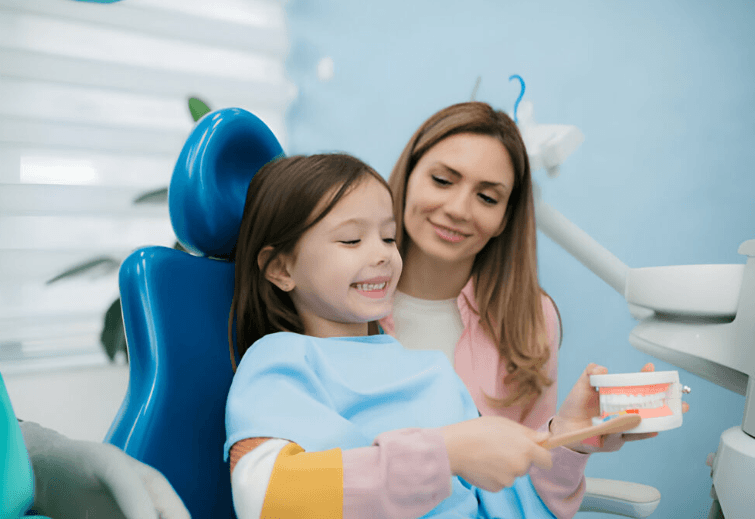
A lot of dental habits start quietly.
A bottle before bed. Brushing that gets rushed every morning. Juice sipped slowly during cartoons. None of these moments seem dramatic at the time.
That’s partly why childhood habits and oral health are more connected than many people realize.
Dental health doesn’t suddenly appear in adulthood. It tends to grow out of small routines built years earlier, sometimes without anyone noticing.
Tiny habits have a long memory
Children learn through repetition.
Brush before school. Brush before bed. Drink water after soccer practice. These patterns may feel ordinary, but they shape how teeth develop and how children think about dental care later on.
The opposite is true too.
Skipping brushing here and there won’t ruin a child’s smile overnight. But long stretches of inconsistent care can create bigger issues over time.
The long-term effects of poor dental habits in children often show up slowly. More cavities. Gum irritation. Dental anxiety. Sometimes orthodontic concerns linked to habits like thumb sucking or mouth breathing.
The connection isn’t always obvious in the beginning.
Baby teeth matter more than people think
There’s still a common belief that baby teeth don’t need much attention because they eventually fall out.
Not quite.
Baby teeth help children chew comfortably, speak clearly, and hold space for permanent teeth. When decay affects them early, it can influence development in ways parents don’t expect.
Preventing cavities in children starts long before permanent teeth arrive.
Things like limiting sugary drinks, brushing with fluoride toothpaste, and scheduling regular dental visits may sound basic. But basic habits often carry the biggest long-term value.
Simple doesn’t mean unimportant.
Food habits shape more than nutrition
Snack choices affect more than energy levels and moods.
Frequent grazing on sticky snacks, crackers, gummies, sweet drinks those habits can keep teeth under constant acid exposure throughout the day. Teeth never really get a chance to recover.
That doesn’t mean childhood has to become a perfectly controlled nutrition plan.
Real life includes birthday parties, sports drinks, and occasional candy bags from school events.
But balanced habits matter.
Water helps. Structured snack times help. So does understanding how food choices influence pediatric oral health without turning meals into a source of stress.
Dental milestones are worth paying attention to
Growth doesn’t happen all at once.
First teeth. Loose teeth. Permanent teeth coming in crooked. Changes in bite alignment. These dental milestones for kids tell a story about development.
Parents don’t need to memorize eruption charts or obsess over timelines. But noticing patterns matters.
A child struggling to chew. Teeth crowding early. Delayed tooth loss. These are often small signs worth discussing during routine appointments.
Dental development is rarely about a single dramatic moment. More often, it’s gradual.
That’s why regular monitoring helps.
Habits outside brushing count too
Oral health isn’t only about toothbrushes.
Sleep routines matter. Breathing habits matter. So do stress patterns, especially in older children who grind their teeth during sleep or clench during busy school seasons.
Some children breathe through their mouths consistently because of allergies or airway concerns. Others snack constantly because schedules are packed and unpredictable.
These everyday realities influence pediatric oral health more than many families expect.
Dental care tends to work best when it looks at the bigger picture instead of only the teeth themselves.
See also: How Academic Rigor in STEM Impacts Student Holistic Health
Why prevention keeps getting more attention
There’s been a noticeable shift toward prevention in pediatric dentistry in Denver CO and in pediatric healthcare more broadly.
Not because prevention sounds impressive.
Because it works.
Addressing small issues early is usually easier than managing larger ones later. Helping children build healthy routines from the beginning reduces friction down the road.
That doesn’t require perfect parenting or flawless brushing charts taped to bathroom mirrors.
Mostly, it involves awareness.
Paying attention to patterns. Encouraging steady habits. Asking questions when something feels off.
Dental health grows in the background of everyday life. Bedtime routines. Snack choices. School mornings. Weekend sports schedules.
Those ordinary moments don’t seem especially important while they’re happening.
But teeth remember them.
And often, years later, the quiet habits turn out to have mattered quite a bit.
