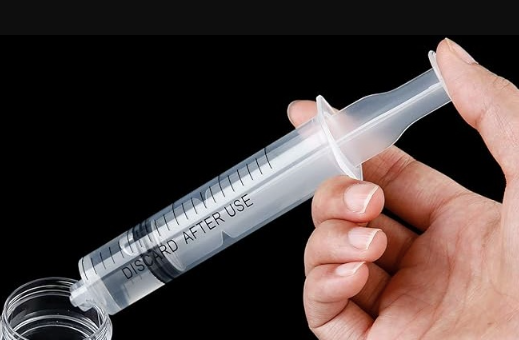
Syringes are essential tools in healthcare for administering medications, drawing fluids, and performing diagnostic procedures. Knowing the different syringe sizes is crucial for healthcare professionals to ensure accurate dosing, patient safety, and efficient workflow.
What Are Syringe Sizes?
Syringe sizes refer to the volume capacity of a syringe, which ranges from small (0.5 ml) to large (60 ml or more) depending on its intended use. Choosing the correct syringe size ensures precise fluid administration and minimizes the risk of dosage errors.
Key Components of a Syringe
- Barrel: Holds the fluid or medication.
- Plunger: Pushes or pulls fluid in and out of the syringe.
- Needle: Optional, depending on whether injection is required.
- Tip: Can be Luer lock, Luer slip, or catheter tip depending on the application.
For detailed guidance, healthcare professionals can refer to syringe sizes resources.
Types of Syringe Sizes
Small Syringes (0.5 ml – 5 ml)
Used for precise medication delivery, pediatric doses, or insulin administration.
Medium Syringes (5 ml – 20 ml)
Suitable for general injections, vaccinations, or minor fluid removal.
Large Syringes (20 ml – 60 ml)
Used for irrigation, enteral feeding, or larger-volume medication administration.
Specialized Syringes
Some procedures require syringes with specific tips, such as catheter tip or Luer lock, to connect to tubing or medical devices.
Applications of Syringe Sizes
- Medication Administration: Ensures accurate dosing for all age groups.
- Fluid Withdrawal: Used for drawing blood, fluids, or other specimens.
- Irrigation: Large syringes help flush wounds or medical devices.
- Enteral Feeding: Catheter tip syringes deliver nutrition to patients unable to eat orally.
- Laboratory Use: Provides precise measurement and transfer of liquids.
Benefits of Understanding Syringe Sizes
- Accuracy: Correct size ensures proper dosing and reduces errors.
- Patient Safety: Prevents over or under-dosing.
- Efficiency: Choosing the right syringe reduces procedure time.
- Versatility: Enables healthcare staff to perform multiple clinical tasks effectively.
Proper Handling and Maintenance
- Select the correct syringe size based on the procedure and patient need.
- Inspect syringes for cracks or contamination before use.
- Use aseptic techniques for preparation and administration.
- Dispose of single-use syringes properly according to medical guidelines.
- For multi-use syringes, follow sterilization protocols to maintain hygiene.
Troubleshooting Common Issues
- Incorrect Dosage: Ensure the chosen syringe size matches the prescribed volume.
- Air Bubbles: Prime the syringe to remove trapped air before injection.
- Leakage: Check that the plunger and tip are secure.
- Patient Discomfort: Use appropriate needle size and injection technique.
FAQs About Syringe Sizes
1. What are common syringe sizes?
Common sizes range from 0.5 ml to 60 ml, including small, medium, and large syringes.
2. Why is selecting the correct syringe size important?
It ensures accurate dosing, reduces medication errors, and promotes patient safety.
See also: How Academic Rigor in STEM Impacts Student Holistic Health
3. Where can I find detailed information on syringe sizes?
Healthcare professionals can refer to syringe sizes resources for charts, specifications, and guidance.
Conclusion
Understanding syringe sizes is crucial for safe and effective medical practice. Proper selection ensures accurate medication delivery, safe fluid administration, and efficient clinical procedures. For further information, professionals can consult syringe sizes resources.